Wondering why homes in Reston can look so different from one street to the next? That variety is part of what makes this market distinctive. If you are buying, selling, or simply trying to understand how Reston housing fits together, this guide will help you recognize the main architectural styles, what they usually mean for daily living, and what to watch for before you make a move. Let’s dive in.
Why Reston Homes Look So Different
Reston was planned as a mixed community, not a one-style suburb. Fairfax County describes a housing mix that includes single-family detached homes, Modernist patio homes, townhouses, and multifamily development. The county’s long-range planning also emphasizes preserving Reston’s character while allowing innovative and sustainable design in newer projects.
That variety is shaped by more than architecture alone. Reston Association oversees more than 160 sub-associations with shared design guidelines and covenants. In practical terms, that means a home’s style, exterior appearance, and even future changes may be influenced by community rules as much as by the original design.
Early Reston Cluster Homes
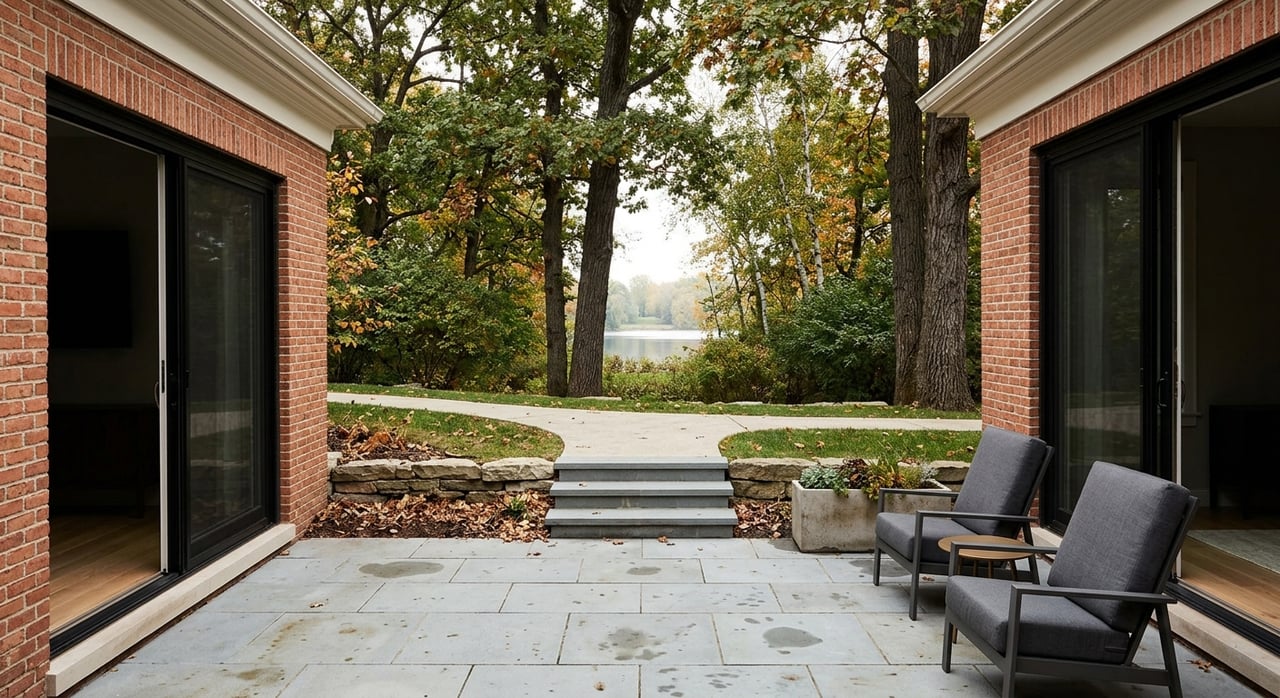
Some of Reston’s most recognizable homes come from its early cluster planning. These neighborhoods were designed around shared open space, courtyards, trails, plazas, and common parking areas instead of large private yards. That planning approach still gives many early Reston neighborhoods a distinct look and feel.
These homes often stand out because they were built to work as part of a larger site plan. Rather than emphasizing wide lots and separation between homes, the design often focuses on connected outdoor areas and a stronger relationship between the house and surrounding common space. For many buyers, that creates a setting that feels more intentional and more walkable.
What Mid-Century Cluster Design Looks Like
Fairfax County’s survey highlights several early Reston communities with clear architectural identity. Waterview includes stuccoed two- to three-story rowhouses with side-gabled roofs and balconies or decks. Hickory includes a mix of block houses, row houses, and carriage houses.
The survey also describes Coleson as an early townhouse subdivision with open carports and large windows. Golf Course Island features staggered rowhouses with decks, terraces, and a contemporary row-house expression. Wainwright includes six townhouse models with large bedrooms, closets, and notable storage space.
What Buyers Should Expect
If you are considering one of these homes, the lifestyle can be different from a conventional suburban subdivision. Many of these properties favor vertical living, more compact private outdoor space, and a stronger connection to shared common areas. That can be a great fit if you value architectural character and a cluster setting over a large backyard.
It also means you may need to pay closer attention to shared or visually prominent exterior elements. Roofs, siding, windows, carports, decks, and common areas can matter more in these settings because the design works as a whole. In Reston, architectural style is often tied closely to maintenance expectations and community review.
Traditional and Colonial-Inspired Homes
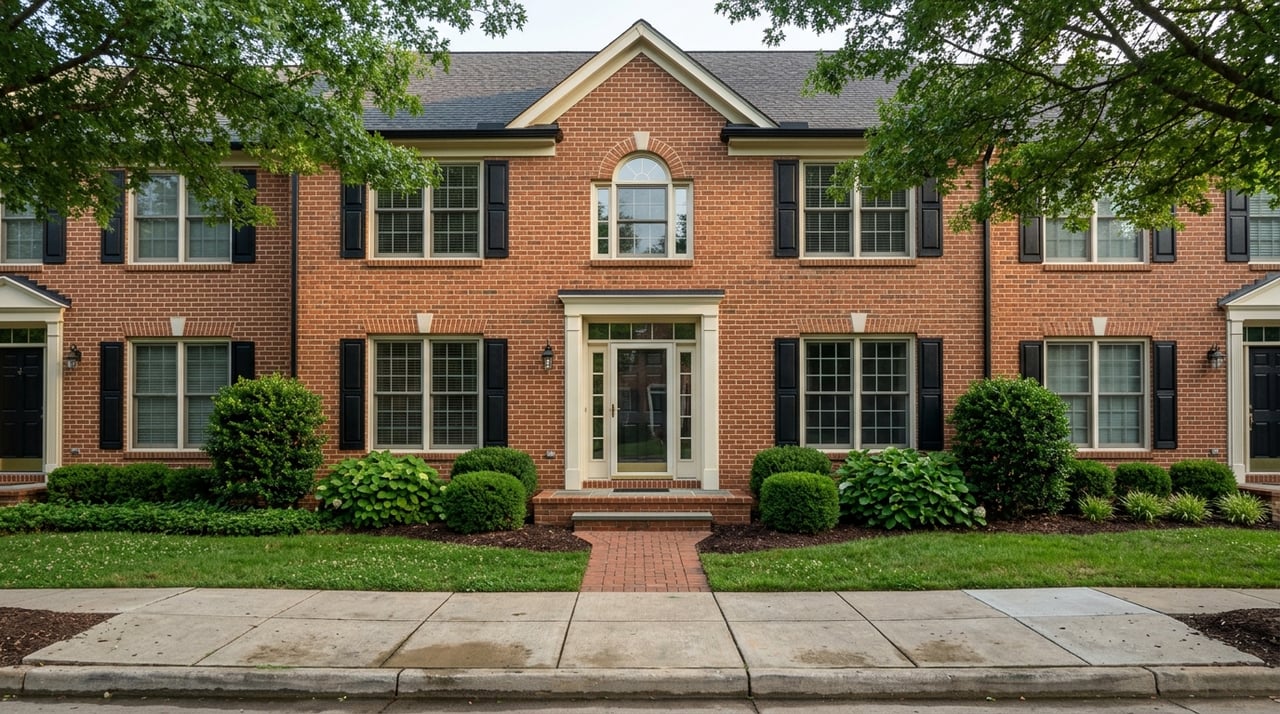
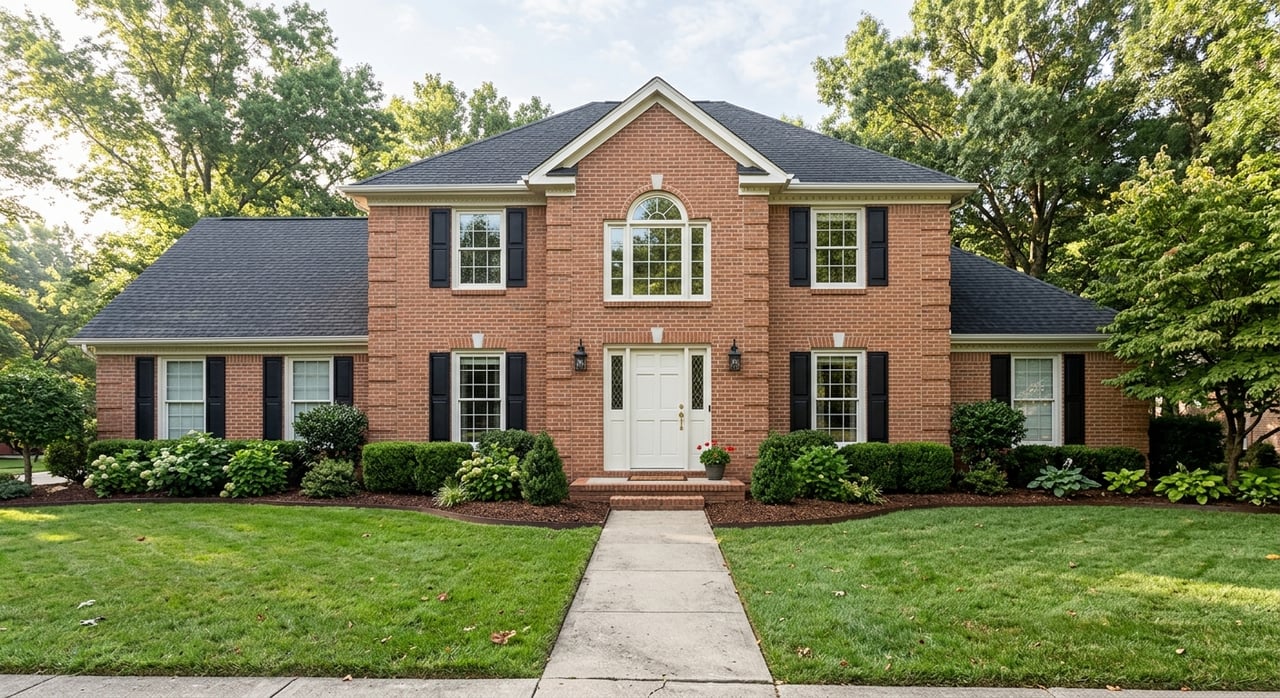
Reston is not only about Modernist clusters and early townhome design. The housing stock also includes more traditional single-family homes and colonial-inspired architecture. Fairfax County’s comprehensive plan specifically references examples such as New England Salt Box Design and Colonial Style within Reston.
The county also notes that Reston includes suburban-style neighborhoods with curving streets. Over time, some parts of the community shifted toward a more familiar detached-home pattern. That gives buyers a wider range of options depending on the kind of layout and lot style they prefer.
How These Homes Usually Feel
For many buyers, traditional and colonial-inspired homes feel more familiar right away. They often align more closely with what people expect from a suburban detached home, including a more conventional room layout and more private yard space. If you want a classic exterior profile, this part of Reston’s housing mix may be especially appealing.
From a resale perspective, these homes can attract buyers who want Reston’s location and amenities without the more distinctive design language of the early clusters. That does not make one style better than another. It simply means different styles tend to attract different priorities.
Newer Transit-Oriented Housing
Reston’s newer housing is increasingly concentrated near the Wiehle-Reston East Metro and Reston Town Center corridors. Fairfax County describes these areas as pedestrian-friendly, transit-oriented, mixed-use redevelopment zones. County approvals in these areas include newer townhomes and apartments.
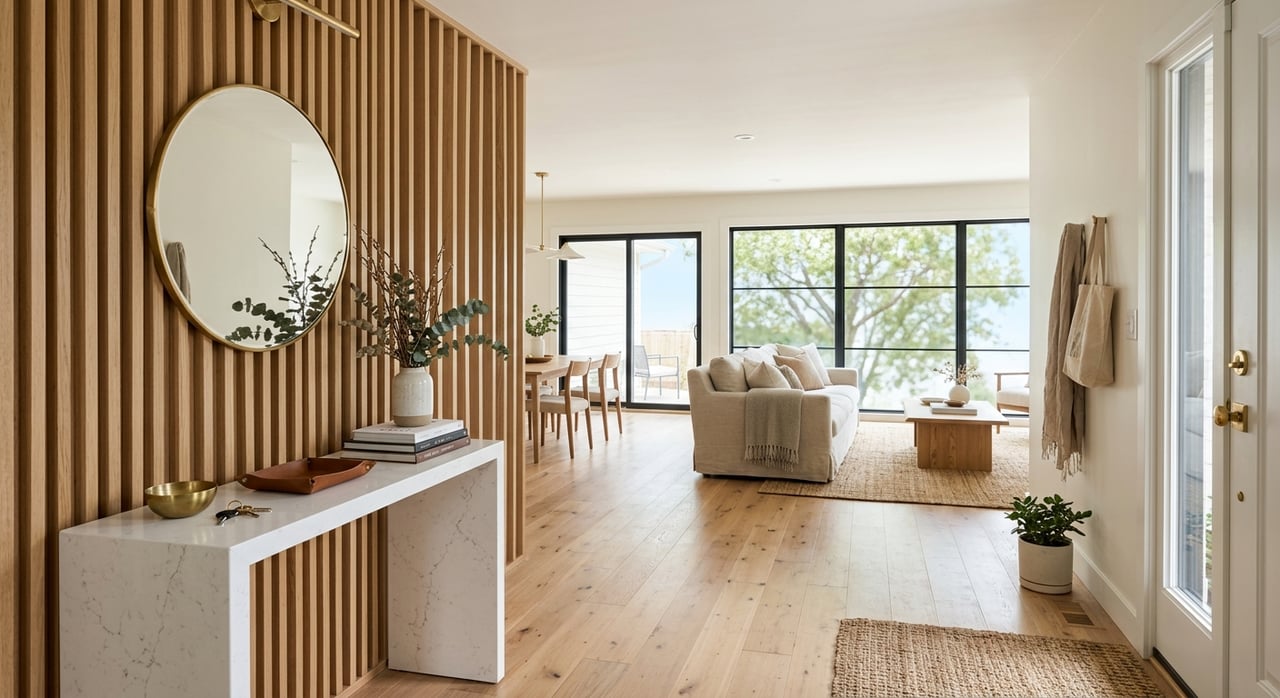
This newer product often reflects today’s preferences for convenience and lower exterior upkeep. County homeownership listings in the area show townhouses with open-concept main levels, rooftop terraces, and two-car garage parking. Some new construction also includes HOA-covered trash, snow removal, and lawn maintenance.
What Sets Newer Homes Apart
Compared with older Reston clusters, newer homes typically lean more toward open floor plans and attached parking. For some buyers, that creates an easier day-to-day setup, especially if you want flexible main-level living space and less exterior maintenance. It can also be appealing if your routine depends on Metro access or a shorter commute connection.
The tradeoff is that newer housing may not have the same mid-century site design that defines many of Reston’s earliest neighborhoods. If architecture is a major priority for you, it helps to decide whether you value convenience first, design character first, or a balance of both.
How Style Affects Ownership
In Reston, architectural style is not just about curb appeal. It can influence how a home lives, how much maintenance you may be responsible for, what kind of outdoor space you have, and how parking is arranged. It can also affect what kinds of exterior updates may require review.
Reston Association states that most exterior alterations or additions require design review or covenants review. Its use and maintenance rules are intended to keep properties in good repair and substantially similar to their original condition. That makes it especially important to understand not just the house itself, but also the rules that come with the community.
Why Covenants Matter
If you are buying in Reston, community review can affect future plans for windows, doors, roofing, additions, exterior paint, or other visible changes. If you are selling, the condition and compliance of exterior elements may also affect how smoothly the transaction moves. Style and oversight are closely connected here.
Virginia law requires Reston Association resale disclosure documents when a home is sold. According to Reston Association, those documents can note design or maintenance violations identified during an exterior inspection. That is one reason local guidance matters when you are preparing a home for market or evaluating a property as a buyer.
Choosing the Right Reston Home Style
The best architectural style for you depends less on trends and more on how you want to live. In Reston, buyers often weigh design character, private yard space, commute convenience, exterior maintenance, and comfort with association rules. Those priorities usually point clearly toward one part of the housing stock over another.
A practical way to compare options is to think in terms of tradeoffs:
- Early cluster homes and townhomes often offer strong architectural identity, shared open space, and compact private yards.
- Traditional detached homes often provide a more conventional layout, more private outdoor space, and a familiar suburban profile.
- Newer transit-oriented homes often emphasize open plans, attached parking, and lower exterior-maintenance friction.
If you are selling, understanding your home’s style also helps shape pricing, marketing, and buyer targeting. Buyers do not compare all Reston homes the same way. A mid-century cluster townhouse, a colonial-inspired detached home, and a newer Metro-area townhouse each speak to different priorities.
What Sellers Should Highlight
If you own a distinctive Reston home, your style is part of your value story. Early cluster homes may stand out for their design details, site planning, decks, terraces, windows, or connection to common green space. Traditional homes may stand out for layout, yard space, and broad buyer familiarity.
Newer homes may draw attention for open-concept interiors, rooftop terraces, garage parking, and maintenance structures supported by the HOA. The key is to present the home in a way that matches what buyers for that style are already looking for. That takes local market knowledge, especially in a community where design and covenants play such a large role.
Why Local Guidance Helps
In a market like Reston, architectural style affects more than appearance. It can shape resale prep, buyer expectations, disclosure review, and the likely pool of interested buyers. That is where neighborhood-level knowledge can save time and reduce friction.
Jeff Major Homes works in Reston and across Fairfax County with a strong understanding of local neighborhoods, association dynamics, and what buyers respond to in this market. If you want a clear read on how your home’s style may affect pricing or marketability, or if you want help sorting through Reston’s different housing types as a buyer, start with a conversation and a plan. Get a free home valuation from Jeff Major Homes.
FAQs
What architectural styles are common in Reston homes?
- Reston includes a mix of early cluster homes, mid-century-influenced townhomes, traditional and colonial-inspired single-family homes, and newer transit-oriented townhomes and multifamily housing.
What makes early Reston cluster homes different from typical suburbs?
- Early cluster homes were planned around shared open space, trails, courtyards, plazas, and common parking rather than large private yards, which gives them a more communal site layout.
What should buyers know about Reston Association design rules?
- Reston Association says most exterior alterations or additions require design review or covenants review, so buyers should understand community rules before planning visible exterior changes.
What features are common in newer Reston townhomes?
- Fairfax County listings show newer Reston townhomes often include open-concept main levels, rooftop terraces, two-car garage parking, and in some cases HOA-covered trash, snow removal, and lawn maintenance.
Why does architectural style matter when selling a Reston home?
- In Reston, style affects buyer expectations, maintenance considerations, resale presentation, and sometimes compliance issues noted in resale disclosure documents, so it can directly shape how a home is marketed and evaluated.