Wondering whether a single-family move in Reston is the right next step? If you already own a condo, townhome, or smaller house, you may want more space without giving up the convenience that brought you to Reston in the first place. The good news is that Reston offers a detached-home market with real variety, but it also comes with tight inventory, fast timelines, and local rules you need to understand before you make a move. Let’s dive in.
Why Reston Works for Move-Up Buyers
Reston stands out because it gives you more than just bigger homes. It combines detached neighborhoods, mature trees, open space, trail access, and strong transportation options in one planned community. That mix is unusual in a suburban market, especially if you want both daily convenience and a true single-family setting.
Fairfax County describes Reston as a planned community about 20 miles west of Washington, DC and about 6 miles east of Washington Dulles International Airport. The Dulles Toll Road runs through the area, and the Silver Line serves Reston through Reston Town Center and Wiehle-Reston East. For many move-up buyers, that means you can gain space without giving up access.
What Single-Family Homes Cost in Reston
If you have been watching general market headlines, it is important to know that Reston’s overall median home price does not tell the full story for detached homes. Recent market pages place Reston’s all-home median sale price around $642,168 over the last three months, and Zillow’s average home value is around $639,321. Detached homes typically trade above those figures.
For move-up buyers, the more typical band is roughly $800,000 to $1.4 million. Public listing examples also show some detached homes in the mid-$500,000s to $600,000s, along with homes around $825,000, $975,000, and several between $1.05 million and $1.4 million. Premium homes and larger-lot properties can push higher.
That range matters when you plan your next purchase. If you are selling a smaller Reston property and buying up, you will likely be shopping in a tighter, more competitive price segment than the broad Reston average suggests.
Why Inventory Feels Tight
Reston has a broad housing mix, but detached inventory remains limited. Zillow’s current single-family search page shows 31 results. That is a small pool for buyers who want a specific lot, floor plan, condition level, or commute setup.
Competition is still real. Redfin reports homes receive 3 offers on average and sell in about 27 days, while Zillow reports homes go pending in around 5 days. In practice, that means the best single-family options may not sit long, especially if they are updated, well-located, or priced within the core move-up range.
What a Reston Single-Family Home Usually Looks Like
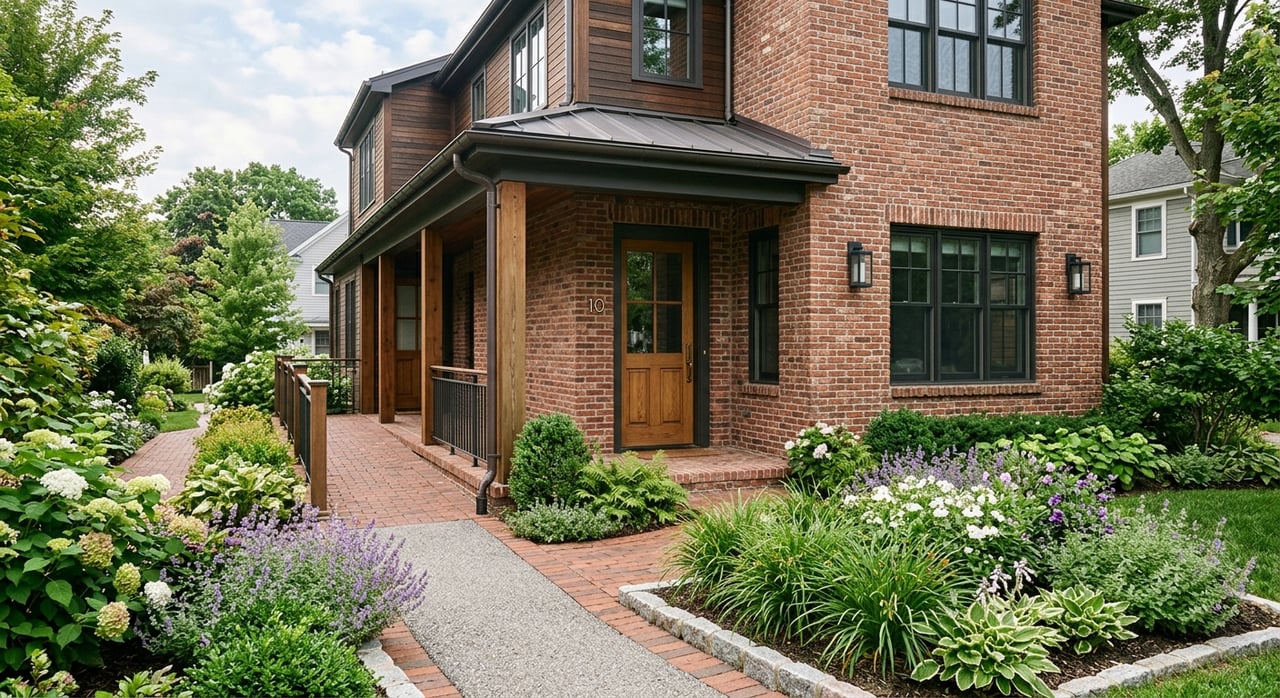
A Reston single-family home often feels different from what some buyers expect in newer outer-ring suburbs. Fairfax County says low-density detached homes in Reston typically sit on their own lot and usually occupy about one-quarter to one-third of an acre, with some larger lots dispersed through the area. You may get meaningful outdoor space, but the community design also leans heavily on shared green space and mature landscaping.
Reston Association maintains more than 1,300 acres of open space and 55 miles of trails. That helps explain why many detached homes trade oversized private yards for wooded views, privacy, and easy access to common green areas. For many buyers, that is part of the appeal rather than a compromise.
The housing stock is also older than many people assume. Reston developed largely from the 1960s forward, and current listing examples show detached homes built in years like 1971, 1974, 1981, 1985, 1989, 1993, and 1999. If you are moving up for more square footage, remember that a larger house here often means a longer maintenance history too.
What Move-Up Buyers Should Watch in Older Homes
In Reston, size and setting often come with age. A bigger home may have had updates over time rather than one full renovation. That can affect items like roofing, windows, HVAC systems, decks, trim, and drainage features.
The wooded setting adds another layer. Mature trees, grading, runoff, and exterior structures can have a real impact on ongoing ownership costs and future projects. During due diligence, it helps to look beyond finishes and focus on how the home has been maintained over time.
Smart areas to review
- Roof age and repair history
- Window condition and replacement timeline
- HVAC age and service records
- Deck, patio, and fence condition
- Drainage, grading, and runoff patterns
- Retaining walls and exterior stairs
- Tree placement and prior tree work
- Basement or lower-level moisture concerns
Reston Rules Matter More Than You Think
When you buy a single-family home in Reston, you are not just buying a house and lot. You are also buying into a design and review framework that can affect what has already been done to the property and what you may want to do later.
Reston Association requires a resale disclosure certificate when a home is sold. That disclosure can include assessment information and design or maintenance violations observed during an exterior inspection. The association also states that most exterior alterations or additions, including tree removal, need design review or covenants review before work starts.
Items such as fences, lights, screened porches, sunrooms, pools, and major additions may require formal review. If you are comparing two homes, this can matter as much as square footage. A feature that looks finished and functional still needs to have the proper approval trail.
What to verify before closing
- The Reston Association resale disclosure certificate
- Whether exterior changes received required approval
- Approval status for decks, patios, sheds, and fences
- Any known maintenance or design violations
- Assessment information and community obligations
- If applicable, cluster or condominium disclosure documents for your current home sale
Commute Options Add Flexibility
A move-up purchase is not only about the house. It is also about how the home fits your weekly routine. Reston gives you several ways to manage commuting and daily travel.
If you drive, the Dulles Toll Road remains the main east-west spine connecting the area to I-495 and Dulles Airport. If you use transit, the Silver Line gives you access through Reston Town Center and Wiehle-Reston East. Reston Town Center station is oriented to walk access and does not have commuter parking, while Wiehle-Reston East has 2,300 all-day parking spaces.
Local bus options add even more flexibility. Fairfax Connector Route 605 links Reston Town Center Metro Station and Monument Drive Transit Center. Route 952 links Wiehle-Reston East Metro Station and Dulles International Airport and also serves Reston Town Center Metro Station. Fairfax County also lists RIBS as the Reston Internal Bus Service for routes serving the Reston area.
For buyers, this means you can search by commute style as well as by price and size. Some households want quick Toll Road access. Others care more about park-and-ride options, internal bus connections, or proximity to Metro stations.
How to Time a Reston Move-Up Transaction
Timing is often the hardest part of a move-up plan. You may need to sell one home, buy another, line up financing, and manage possession dates with very little room for delay. In Reston, the pace of the market and local disclosure timing make planning even more important.
Reston Association says it has up to 14 days after payment to deliver the resale disclosure certificate, and it does not offer expedited disclosure documents. At the same time, homes can move quickly, with average market times around 27 days and pending timelines around 5 days on Zillow. That mismatch is one reason move-up buyers need a clear strategy early.
A practical move-up game plan
- Start with pricing and financing. Know your likely sale range and get preapproved before you shop seriously.
- Order disclosure documents early. If you are selling in Reston, do not wait until the last minute.
- Define your must-haves. Decide what matters most, such as lot size, finished basement, garage, or commute setup.
- Prepare for fast decisions. Limited inventory means strong homes may move quickly.
- Build in flexibility. Overlap, rent-back, or other timing solutions may help bridge the sale and purchase.
- Use a focused inspection plan. Pay close attention to age, exterior approvals, drainage, and lower-level conditions.
Why Inspections Need a Reston-Specific Lens
A standard inspection matters, but Reston buyers often need to think one step further. The combination of older detached homes, wooded lots, and association review requirements means you should evaluate both physical condition and documentation.
Reston’s design guidance puts attention on drainage, access, privacy, compatibility with neighborhood architecture, and topography. That makes grading, runoff, retaining walls, and mature landscaping worth a closer look during due diligence. These details can affect maintenance, future projects, and even whether previous work should have received review.
Radon testing is also worth including in your inspection plan. The EPA says all homes should be tested for radon, and this is especially relevant in lower levels or basements. In Reston, many detached homes have below-grade spaces, which makes that step especially practical.
What Sellers Can Do Before Moving Up
If you need to sell before you buy, preparation can improve both your price and your options. In a competitive detached-home segment, buyers notice condition, documentation, and how quickly a home feels ready.
That does not always mean a major renovation. It often means getting ahead of repairs, organizing approval records for exterior work, and understanding any Reston Association issues before the home hits the market. A smooth, well-documented sale can make your move-up purchase easier because it strengthens your position when you write offers.
For many homeowners, the right approach includes clear pricing, practical staging or repair coordination, and a timeline that accounts for both the sale and the next purchase. That is especially true when inventory is tight and timing matters.
If you are weighing a move-up purchase in Reston, the details matter. Price band, inventory, commute, condition, and association review all shape the outcome. When you plan around those factors early, you give yourself a much better chance at a smooth sale, a smart purchase, and fewer surprises along the way.
When you are ready to map out your next move in Reston, Jeff Major Homes can help you price your current home, prepare it for market, and navigate the search for the right single-family upgrade with a local, hands-on strategy.
FAQs
What is the typical price range for move-up single-family homes in Reston?
- In Reston, the more typical move-up band for detached homes is roughly $800,000 to $1.4 million, though some homes appear below that range and premium properties can exceed it.
How competitive is the Reston single-family home market?
- Reston’s market remains competitive, with homes receiving about 3 offers on average, selling in about 27 days, and some going pending in around 5 days according to Zillow.
What makes Reston single-family homes different from newer suburban homes?
- Many Reston detached homes sit on their own lots with mature trees, access to open space, and trail connections, but much of the housing stock is older and may have a longer maintenance history.
What documents should buyers review for a Reston single-family home purchase?
- Buyers should review the Reston Association resale disclosure certificate and verify whether exterior features or changes, such as fences, decks, sheds, patios, landscaping, or tree work, received required approval.
What commute options should buyers consider for a Reston home search?
- Buyers can look at access to the Dulles Toll Road, the Silver Line stations at Reston Town Center and Wiehle-Reston East, commuter parking at Wiehle-Reston East, and Fairfax Connector or RIBS bus service.
Why is timing important when selling and buying in Reston?
- Timing matters because Reston Association can take up to 14 days to deliver resale disclosure documents, while homes may move quickly in the market, so early planning helps reduce stress and delays.
What inspection issues are especially important for Reston detached homes?
- Buyers should pay close attention to roof and HVAC age, windows, decks, drainage, grading, retaining walls, tree-related conditions, basement moisture, and radon testing, especially in homes with lower levels.