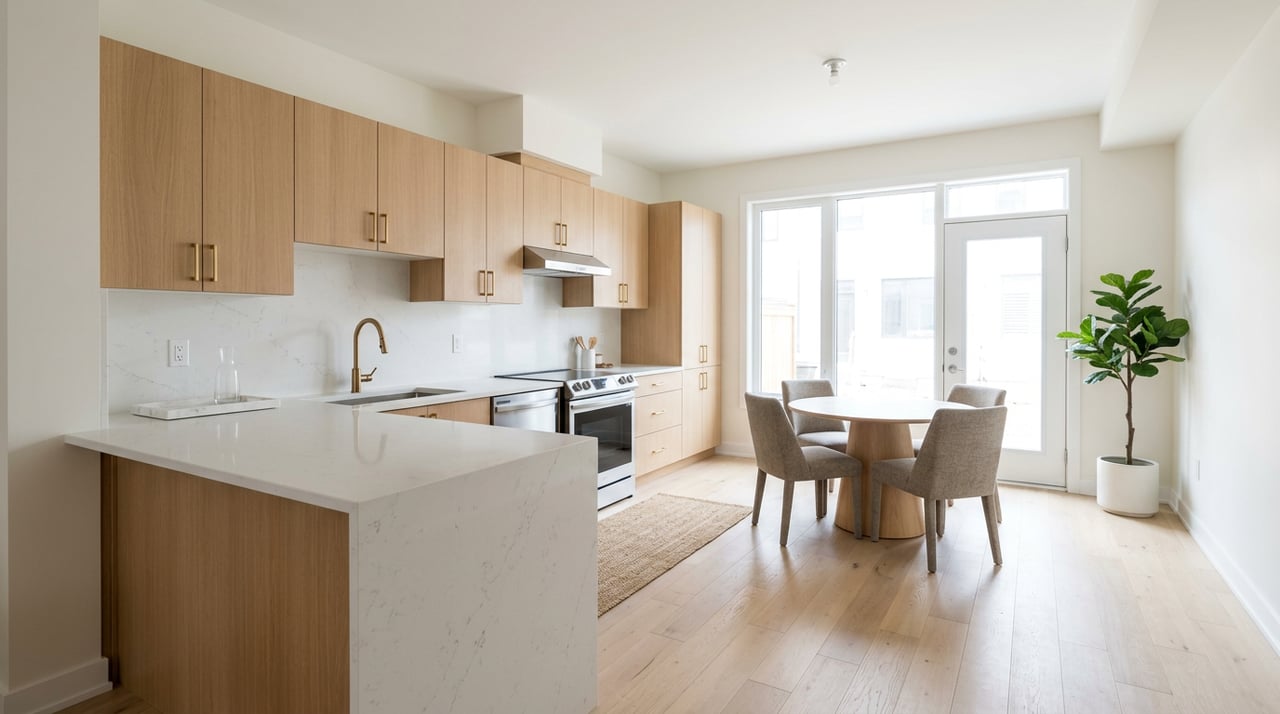
Selling a townhome in Reston can move fast when your home looks great and your paperwork is ready. You want strong offers, minimal back-and-forth, and a clean closing. This guide gives you a focused plan to get there, with concrete steps that work in Reston’s HOA environment and Northern Virginia’s current market. You will learn what to fix first, what to skip, how to handle Reston Association documents, and how to stage for impact. Let’s dive in.
Know the Reston market today
Reston townhome prices and timelines vary by cluster and zip code. Recent snapshots show median prices in the mid 500s and average days on market in the multiple-week range. That means the best prepared, correctly priced homes win. A balanced market rewards strong presentation and predictable paperwork.
Forecasts for Northern Virginia point to modest, single-digit changes rather than big swings. According to the NVAR and George Mason University outlook, a well-prepared listing still sells quickly when priced right. Use a local CMA for your exact cluster and plan your launch around what is moving now. You can review the regional context in the NVAR/GMU market forecast.
Get HOA and legal steps done early
The fastest sales happen when buyers receive complete, accurate documents right away. Handle these items before you list.
Order the Reston Association resale packet
Order your Reston Association resale disclosure package as soon as you start preparing to list. RA’s Member Guide explains how to request documents and notes the packet is valid for a year, with updates needed if settlement is more than 90 days after ordering. Early ordering keeps the HOA review window from delaying your timeline. Review RA’s guidance in the Member Guide to Covenants.
Confirm DRB approvals before exterior work
In Reston, many exterior repairs and updates require prior approval through RA staff or the Design Review Board. This can include doors, paint colors, decking, lighting, and tree work. Before you start exterior projects, confirm what approvals you need to avoid covenant violations that can disrupt closing. Find the rules and processes in RA’s Member Guide to Covenants.
Budget RA fees and timing
RA publishes a fee schedule that includes resale and estoppel-related charges, plus items like temporary sign fees. Factor these costs into your seller budget and build in time for RA processing. Check current amounts in the RA Fee Schedule.
Complete Virginia and federal disclosures
Virginia has a formal Residential Property Disclosure regime. You must provide notice and access to the statewide disclosure materials and follow the Real Estate Board’s forms. Certain issues are specifically covered by statute, such as some building-code violations and other conditions. Review the consumer guidance on the Virginia Residential Property Disclosures page and ask your agent for help.
If your townhome was built before 1978, federal law requires a lead-based paint disclosure. Provide the EPA pamphlet, disclose known lead information, give any available reports, include the federally required Lead Warning Statement, and allow a 10-day inspection period unless waived. See the EPA overview on real estate lead disclosures.
Use a pre-list inspection to remove friction
A seller-ordered pre-list inspection helps you find and fix issues on your schedule. It builds buyer confidence and often reduces last-minute renegotiations. If a concern turns up, you can choose the contractor, complete the work properly, and present receipts.
Typical inspection costs for a standard home fall in the national range of roughly 300 to 500 dollars, with specialty tests priced separately. Northern Virginia often trends toward the middle to upper end of that range. Get two or three quotes from reputable local inspectors. For cost context, review the national ranges in Fixr’s home inspection cost guide.
Tackle high-impact fixes first
Focus on items that keep contracts together and photographs strong. Use this fast, prioritized checklist.
Immediate safety and contract killers
- Fix active leaks, visible water stains, and any mold. If remediation is required, hire pros and keep invoices. Buyers see moisture as high risk.
- Repair non-functioning core systems. Heat in winter, AC in summer, and the main water shutoff should work as expected.
- Verify smoke and CO detectors and GFCI outlets operate correctly. Replace batteries.
- If you know of open building-code violations, resolve them or disclose per Virginia requirements. Your agent can guide you on disclosures.
High-ROI quick wins
- Declutter, then deep clean. Pay attention to carpets, vents, grout, and window tracks.
- Apply fresh, neutral paint in rooms with dark or personalized colors.
- Update dated light fixtures and cabinet hardware for a fast style lift.
- Refinish or professionally clean floors for a clean, continuous look.
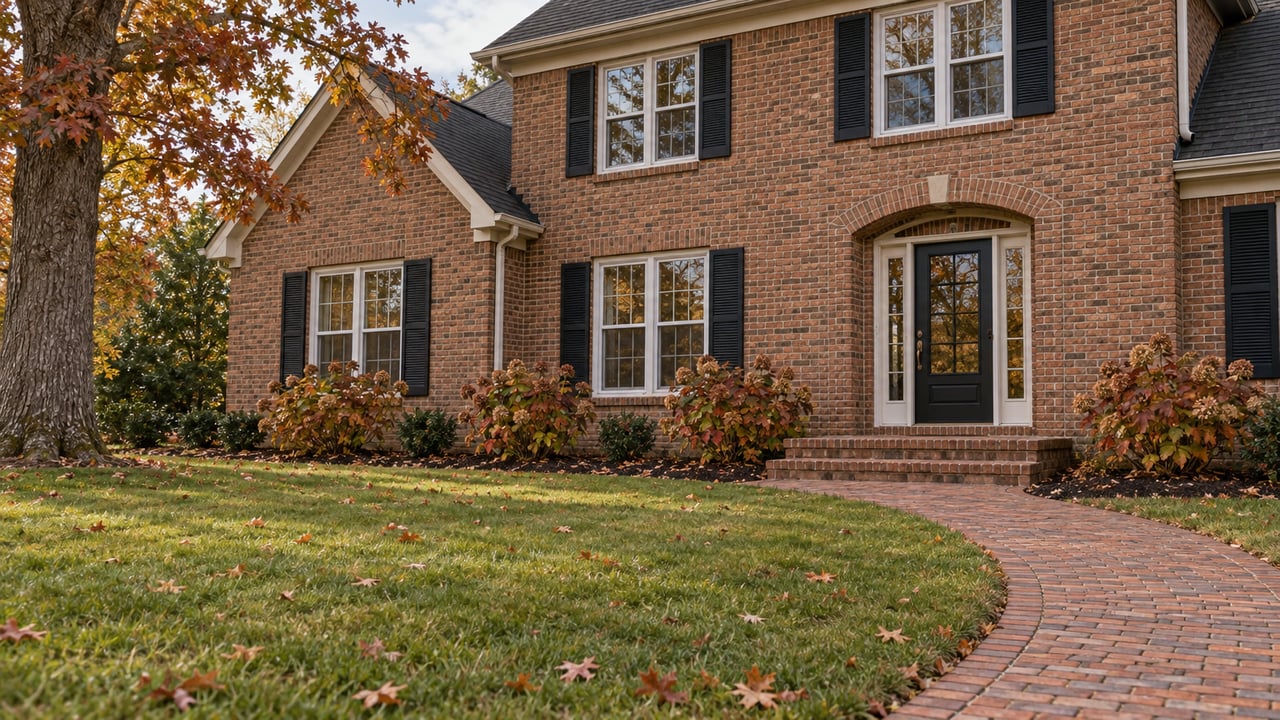
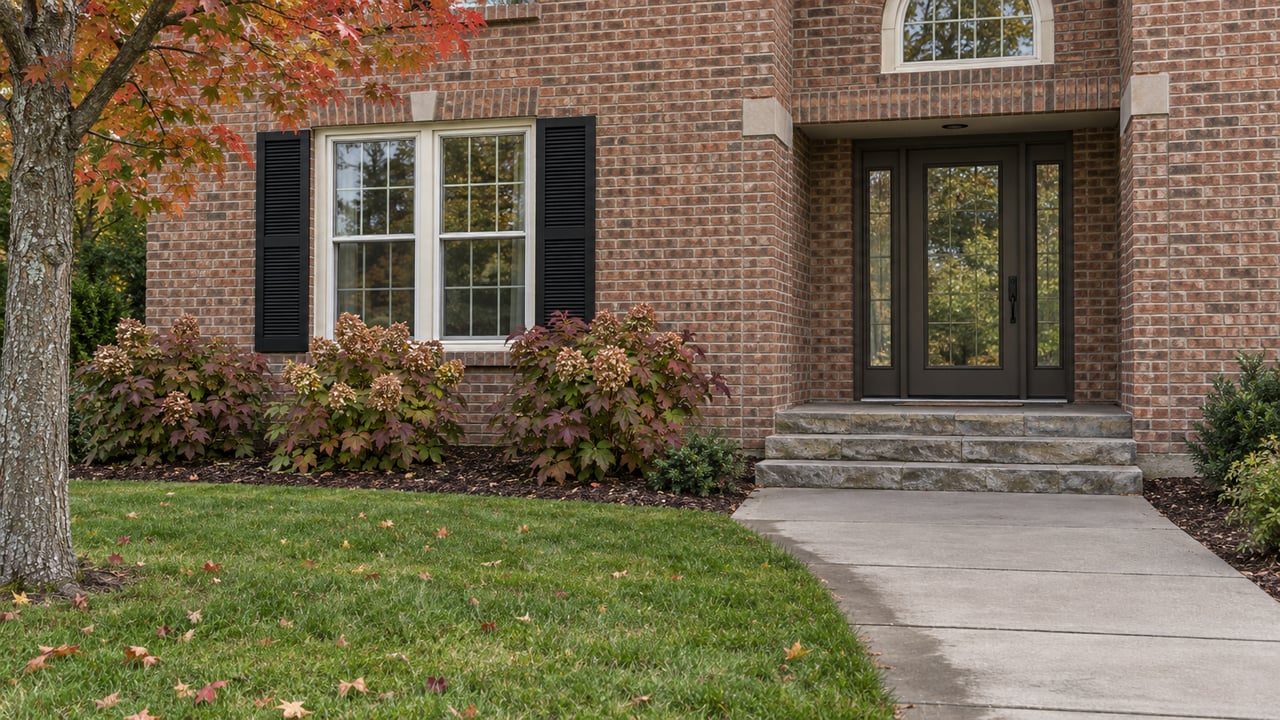
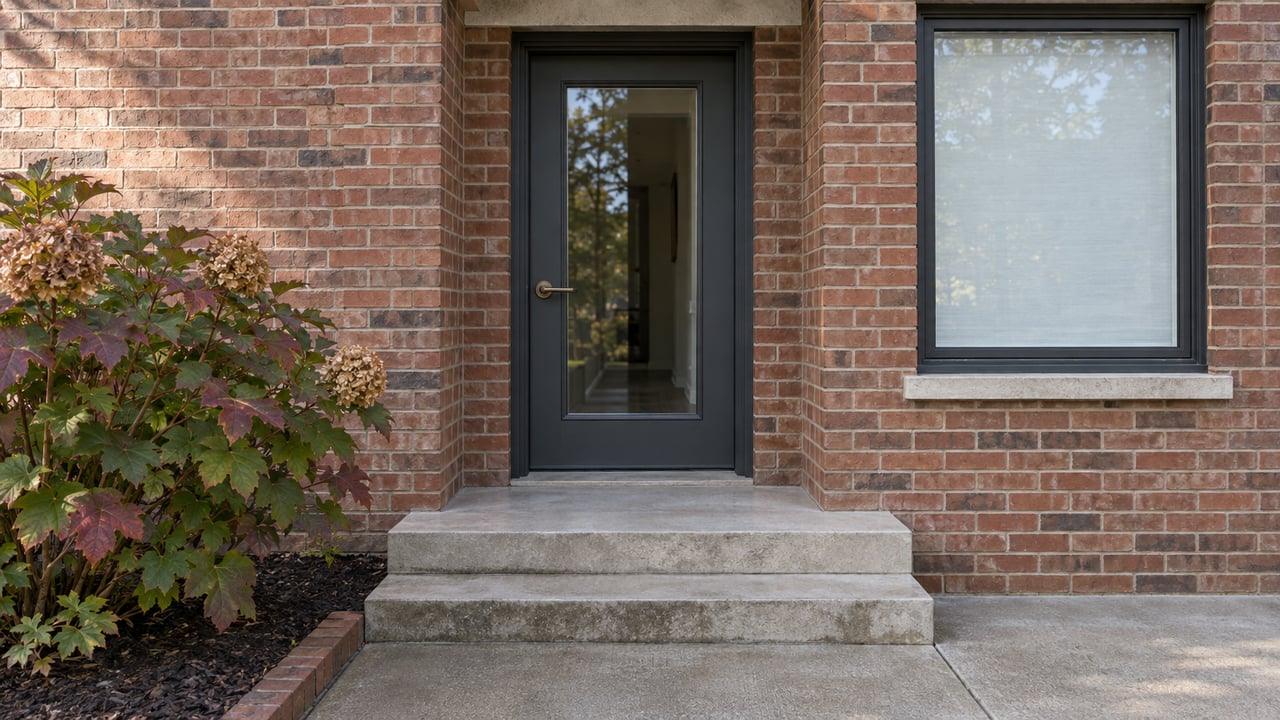
- Upgrade curb appeal. A clean entry, new welcome mat, tidy landscaping, and a quality front door read well in photos. Remodeling data shows entry and curb projects often recoup a large share of costs. See benchmarks at Cost vs Value.
Secondary updates if you have time
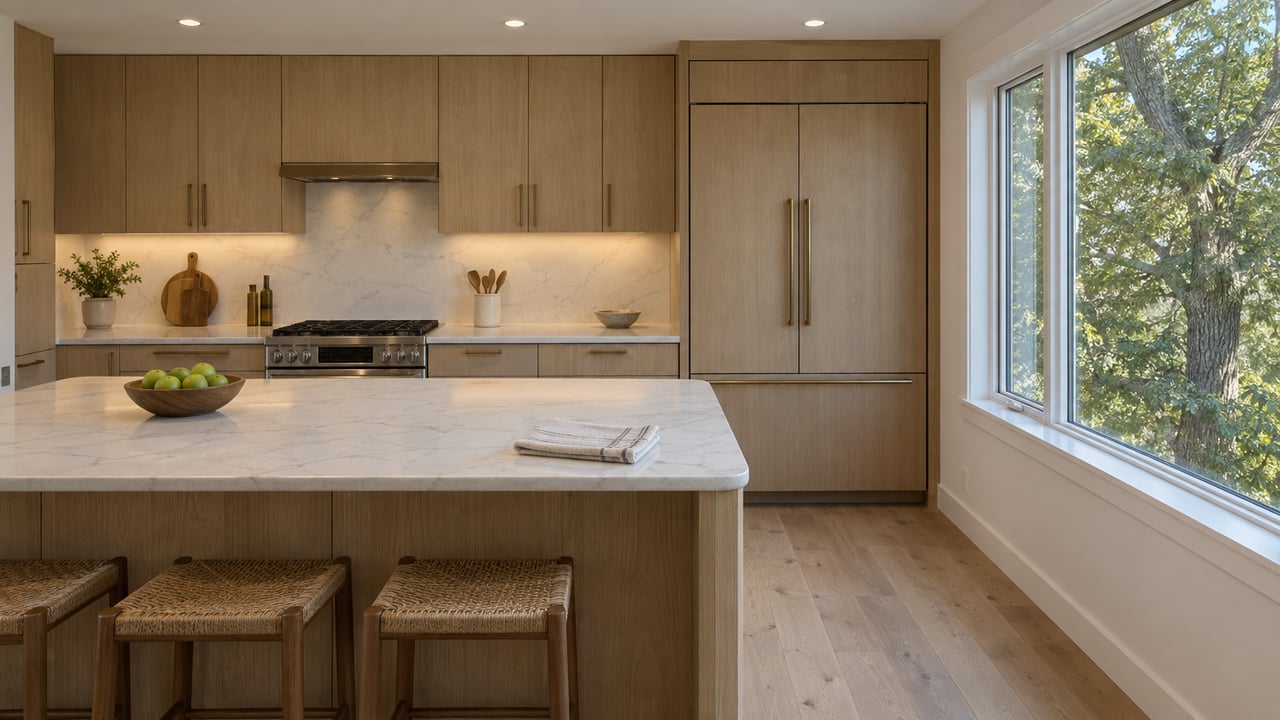
- Consider a minor kitchen refresh. Painting cabinets, swapping hardware, and addressing worn counters can pay off better than major remodels in a short timeline. Cost vs Value data shows minor updates typically recoup a higher percentage than full overhauls.
- Service HVAC and replace aging water heaters if near end of life. Keep documentation handy.
- Make sure windows and doors close smoothly and locks work. Small fixes ease buyer concerns.
What to skip when time is tight
- Avoid large additions and major structural remodels. They take too long and tend to recoup less before a quick sale.
- Hold off on high-cost, highly customized finishes or big solar projects unless already planned. Save those for long-term ownership.
Pull permits and collect receipts
Fairfax County requires permits for many upgrades, including electrical panel work, HVAC replacements, structural changes, and decks. Unpermitted work discovered during a sale can slow or jeopardize financing and closing. Gather your permits and receipts now and consult the permit office or your covenants advisor if unsure. For context on local enforcement and process, see Fairfax County’s referenced materials in this county document archive.
Stage, photograph, and show smart
What to stage first
Staging helps buyers visualize your home and can shorten time on market. In the 2025 NAR Profile of Home Staging, many agents reported faster sales and a 1 to 10 percent increase in value offered. Focus on the living room, primary bedroom, and kitchen first. Agents reported a median staging spend near 1,500 dollars in that study. Explore findings in NAR’s staging report summary.
Townhome staging moves
- Entry: Clear shoes and coats, add a fresh mat, and if space allows, a slim console or small bench.
- Living room: Create defined seating with clear walkways. Open blinds and remove bulky pieces that shrink the room.
- Kitchen: Clear counters, store small appliances, match hardware finishes, and add a simple, neutral accent like a bowl of fruit.
- Primary bedroom: Neutral bedding, balanced lamps, minimal furniture so the room reads larger.
- Outdoor spaces: Stage a small bistro set on the deck or patio and clean railings and boards. If exterior staging or signage is restricted, confirm what is allowed with RA’s covenants guidance.
Photography, tours, and showings
Most buyers start online, so invest in professional photos and a 3D or virtual tour if your agent recommends it. Good visuals unlock more showings. Offer flexible showing windows, set up a lockbox or clear agent access, and remove or safely confine pets during showings. Provide a one-page fact sheet with system ages, recent repairs, permits, RA contact info, and resale packet status to reduce back-and-forth.
A two-week launch plan
You can get market-ready in about 14 to 21 days with focus and help.
- Day 0: Hire your listing agent and order the RA resale packet immediately. This starts the HOA clock and gives you time for any updates. See the RA Member Guide for process details.
- Days 1 to 3: Declutter, deep clean, and complete safety fixes. If you schedule a pre-list inspection, review the report and prioritize issues.
- Days 4 to 10: Complete high-impact repairs and neutral updates. Submit DRB applications for any exterior work if required. Book professional photography and a 3D tour.
- Days 10 to 14: Stage rooms, do a final clean, and finalize MLS materials. Prepare Virginia disclosure documents and, if applicable, the federal lead-based paint forms using the Virginia disclosure resources.
- Day 14+: List and go live. Maintain flexible showing windows. If buyers request inspections, share your pre-list report and repair invoices to reduce renegotiation.
A well-run launch reduces stress and days on market. It also signals to buyers that the home has been cared for and that the transaction will be smooth.
Move faster with a local partner
You do not have to manage all of this alone. A local team can coordinate contractors, staging, photography, and RA paperwork while you focus on your move. If you are ready to sell your Reston townhome, get a local CMA, an action plan, and hands-on support from Jeff Major Homes. We specialize in fast, clean listings that command strong offers.
FAQs
How long does it take to sell a Reston townhome?
- It varies by cluster and zip, but recent snapshots show multiple weeks on market on average; your exact timeline depends on price, presentation, and current comps in your area.
What is in the Reston Association resale packet and when should I order it?
- The packet includes resale disclosures and association documents; order it as soon as you plan to list so buyers have time to review without delaying your contract.
Do I need a pre-list inspection and what does it cost?
- A pre-list inspection can surface issues on your schedule and reduce renegotiations; expect roughly 300 to 500 dollars for a standard inspection, more for specialty tests.
Which updates pay off before listing a townhome?
- Focus on neutral paint, lighting and hardware swaps, floor refinishing or professional cleaning, and curb appeal; consider a minor kitchen refresh if time allows.
What disclosures are required when selling in Virginia?
- You must provide the Virginia Residential Property Disclosure materials and comply with specific statutes; pre-1978 homes also require federal lead-based paint disclosures.
Do I need DRB approval for exterior fixes in Reston?
- Many exterior changes need RA staff or Design Review Board approval; confirm before doing doors, decking, lighting, or paint to avoid covenant violations.